THE SCOOTIST
By Tony Foote Copyright (c) 2026 Page: 3 Types of scooter 3 50cc Pop Fart scooters 4 60cc - 250cc scooters 5 250cc+ Super scooters 6 Scooter styles 6 What to wear on your scooter 6 What to and not to do on your
scooter 7 Windy conditions 7 Scooter condition 7 Safety tips 7 Braking tips 8 Balance tips 8 Insurance 8 Scooter grooming 8 Financing your scooter 9 Transmission types 9 Shades vs goggles 10 Helmets - types and
preferences Types of Scooter So you've decided
to buy a scooter. Its a good choice really when considering the price of gas
and parking. There are some
things you should know about your scooter. Thy are primarily designed for
rapid, cheap and highly convenient transport around town. That's not to say you
can't ride further afield though since there are a few specialised scooters for
this purpose too. There are a few
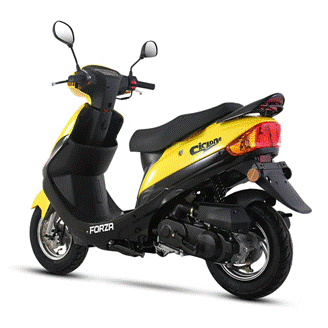
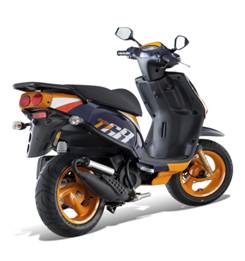
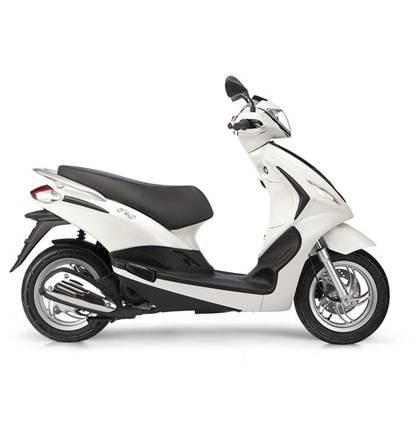
types of scooter. The most common is the 49cc pop-fart type for zapping
around town these do
approximately 60kph (some will go faster) and are extremely convenient if you
plan to zap about on inner city streets and not among serious traffic. The
price of vehicle registration on these is around $70 NZ per year and there is
no Warrant of Fitness required although you must keep it to a warrantable
standard at all times. A motorcycle licence is not necessary. You can ride one
of these on a Price: Used @
$400+ New @ $1700 NZ to $4500 NZ
There is the commuter scooter which ranges from 80cc - 250cc capable of
speeds from 80km/h to 120 km/h. These are useful for commuting from suburbia to
work in the city. At the lower end, the 80cc is better kept in town while the
200cc plus size can be used on a motorway. Don't expect to be able to overtake
at motorway speeds though. These are less economical than 49cc models and require
Warrant of Fitness and Registration of about $280 NZ per year. A full
motorcycle licence is required to ride one of these machines. Under seat
storage is much greater than 49cc scooters and more can be added through GIVI
accessory dealers on many models. Small wheels make them very unstable in deep
shingle. Price: Used @
$1500+ New @ $2995 - $9000+
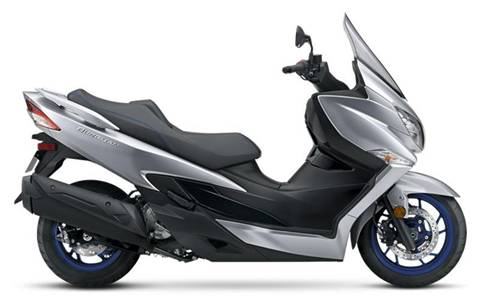
The third type is the Super Scooter. They are subject to all requirements for
the over 49cc motorcycle or scooter. A super scooter will range in size from
400cc to 900cc+. This size scooter should be used out of town on long runs.
Super scooters have heaps of power and can overtake easily at motorway speeds.
They can be a handful in the city and tend to be quite large. Should you buy
one then drop it, even lightly, much damage will be done to the plastic body.
Usually, these scooters have large storage areas beneath the seat and accessory
top box sets can be obtained from GIVI agents for many models. Avoid all
shingle like the plague! Price: Used @
$7000+ New @ $9000+
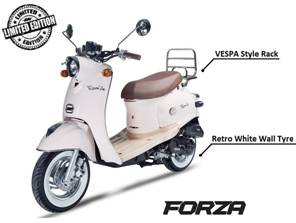
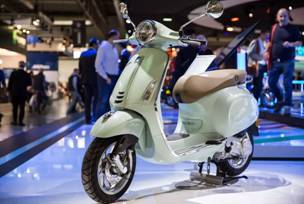
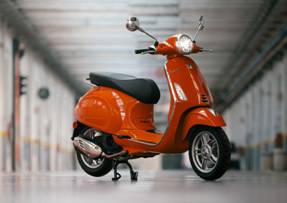
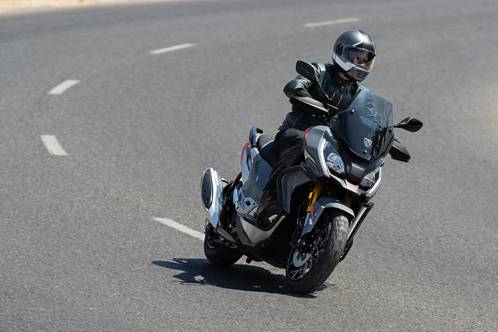
Styles You can buy stylish or plain Most scooters
will keep your feet dry in the rain! What to wear: Obviously there
is a need to protect yourself in the event of a fall or in bad weather. The
following items afford a certain amount of protection. * A solidly constructed jacket, preferably
leather. * At least denim weight pants. Avoid
lightweight synthetics. * Robust footwear, not jandals (thongs),
clogs, sandals or similar. Preferably riding boots. * A new helmet to your taste, colour, style
etc. Full face preferred with clear, unscratched visor. * If you use an open face (jet) helmet, a pair of goggles. * Leather gloves. * A set of lightweight, waterproof,
over-the-top wet weather gear to keep you and your riding gear dry There are
things you should and shouldn't do on a scooter. *
Always
know who is behind you and how far away they are *
When
following another vehicle, ride off to the right side of it so you can see past.
If the vehicle brakes suddenly you will be able to stop beside it if you
overshoot while trying to stop or through lack of attention, not into the back
of it. *
Motorcycles
are small and hard to see, particularly dark coloured or silver ones. Keep your
headlight on at all times. IMPORTANT! It is recommended to keep your headlight
on FULL BEAM if your scooter's headlight is below handlebar height. If you
don't, there is no doubt that drivers won't see you. *
Wear
a reflective vest. *
Car
drivers are your enemy! They often can't and sometimes won't see you coming. *
Letting
go of the handlebars is stupid. A friend once said to me, When I let go of the
bars, the front wheel wobbles. I think there's something wrong with the bike.
What should I do?. The answer's easy. Don't let go of the bars... duh! There are
things you can do on a scooter. Traffic jams
don't usually affect scootist's. You may be riding along a busy street, or even
a crowded motorway during peak traffic. You can nip up the inside if there is
a cycle lane or the outside of traffic if there is room. I personally prefer the
inside on a motorway jam because if an emergency vehicle has to get through,
they go up between the traffic on the outside.. Be aware though, all it takes
is one annoyed driver to open a car door in your path to send you to hospital.
If you wish to nip past in a traffic jam, do it slowly, keep further away from
any vehicle than the length of it's door and keep your eyes open. Remember this: You
don't buy a scooter to sit in traffic jams. Windy
Conditions When you are
riding your scooter in an area which is very windy, on a scooter which allows
you to stretch your legs out forward of the seat, fold them back to the rear of
the running board and lean forward to counter balance the scooter. This will
allow the wind to blow through the bike, not use your legs as a sail and blow
you off. Cut down the wind resistance and you stand a better chance of getting
home in one piece. Scooter
Condition. It's important to
keep your scooter in top condition. Make sure you regularly check tyres, brakes,
steering yoke, lights etc. Adjusting rear hub brakes is easy. Simply turn the
adjusting nut on the end of the brake rod clockwise until you reach the desired
pressure on the brake lever. Since most scooters have disc brakes on the front,
you will need to check the brake pad thickness and fluid levels each week. Safety Tips: Keep your eyes on
the road. Make sure you take regular rear view mirror peeks so you know not
only what's behind, but where it is in case you have to take evasive action. When stopping at
an intersection, place and keep both feet on the ground. This will secure your
scooter from being blown over. There are times, when, if you only put down one
foot and a side wind hits you, you can drop the bike but that looks stupid at a busy
intersection. When taking off again, first lift one foot, then the other onto
the running boards. This will save your stomach muscles being injured. If you can't put
both feet flat on the ground with the scooter stopped, the scooter is too big
or configured wrongly for you. KNOW WHAT'S IN FRONT WHEN MOVING FORWARD - KNOW
WHAT'S BEHIND WHEN STOPPING! Braking Tips: When braking in an emergency, hit the back brake hard, followed by the
front, also hard in that order and DON'T LET GO UNTIL YOU HAVED STOPPED
(including, dare I say it, impact). This will give you are far better chance
when a collision is imminent. When braking in dry weather
on a dry road, apply
brake pressure evenly between the front and rear brakes. Avoid the temptation
to use only the front brake if you suddenly strike shingle or slippery
substance on the road, you will probably come off. In the wet weather, afford much more pressure to the rear brake whilst
gently feathering the front. It's easier to escape a rear wheel skid or slide
than a front wheel, body busting, go-to - hospital mistake. Skids: Should you find
yourself in a skid, wind the throttle off immediately and steer your machine
purposefully in the direction the back of the machine is going. Hold on to the
machine solidly with your feet and legs together until you stop. Balance tips: If you keep your
feet as far apart as possible on the running boards, you balance will be
enhanced and the leverage you need to control your scooter, particularly a
heavier, larger one will be available. Try and avoid the dainty knees and feet
together pose you often see. Not good for handling. Wet Weather
Tips: Avoid rapid acceleration on wet days as
this can cause the rear wheel to lose traction and throw you on your butt on
the road. Stay away from white painted lines and
road markings in the rain. You will slip easily it you strike them awkwardly. If you begin to slip, turn the throttle
off immediately and the bike should straighten up. Light drizzle makes the road dangerous for
scooters. It wets oil residue from other vehicles and creates a skating rink
for unsuspecting scootist's. No sudden steering movements. Gentle pressure only on the brakes, to
avoid traction loss. Insurance: Look around for a
good deal. Probably the biggest mistake to make when buying a scooter from a
dealership is to use their usual insurer to insure your scooter. In 1. $700.00 for the first claim and... 2. $1200.00 for any other claim in the same
insurance period. This is mental!
If you have a cheap bike and do under $700.00 worth of damage, they won't pay
for it. Think about it. Another, very
large Look around
before you purchase scooter insurance and don't let the dealers bully you. Scooter Grooming Scooters are
indeed beautiful looking things. There are ways to keep them that way. Armour all Turtlewax triple
wax CRC so easy for
wet look. All scooters love
a wash and a heaped helping of wax. Triple wax is preferred. Financing: Finance rates are
usually negotiable. I have spoken to several motor vehicle dealers who have all
told me the same thing. They buy their finance from major finance companies and
on-sell it to vehicle purchasers. All quoted me about the 8% mark for them to
buy finance. This all adds up to a profit for the vehicle dealers of anything
they can get over the 8% The last car I
bought was to be 18% finance charge. I negotiated it down to 14%. You can too.
Remember this. There are plenty of other scooters at other dealerships if the
dealer won't negotiate. Transmission
Types Twist and go; If you're not the
type who enjoys changing gears and using a clutch then the Twist and Go is for
you. The easiest by far for both learner and experience scootist's. Use could
hardly be easier. Simply put the key in and turn on the ignition, press the
starter and wind on the throttle and the scoot moves off. This type changes
ratios itself. I personally ride and prefer this type for a satisfying scoot
experience. Clutch and gear
(Vespa). Tools you
should carry: Tyre repair
stuff, plug spanner, tyre repair Pando - though this usually renders tube
buggered, 12mm 14mm spanner, crescent wrench, Philips tip and straight
screwdriver, pliers. First aid kit. Purchase and carry a first aid kit on your scooter. You never know when
you or someone else may need it. Bikes are potentially dangerous as we all
know! Shades vs. Goggles This is one of those items which comes down to a matter of choice, though
both have their pro's and con's. Goggles provide great protection from rain,
wind and pesky bees and things which fly into your eye at 50kph, rendering you
blind. They can look either dopey or cool, depending on the style you buy. It's
a great idea to buy a set with polarized or dark lenses. They look good and
protect from the suns rays. There are two basic types. Single, plastic lens and the pilot type with two separate lenses. As far as I'm concerned, I use the single,
wide lens type. Although they provide an excellent range of visibility and
high degree of wind protection, they become hard to see through in the rain and
tend to fog up both in the rain, and the cold. The twin lens type are very
similar in almost all respects but for one thing. The range of visibility can
be very limited, forcing the user to turn their head to see hard left or right. Shades look great and
there's no doubt about it! Your eyes water from the dust and wind, and the rain
pelts you in the eyes mercilessly, but they look great! I use shades on fine, sunny days when I'm traveling in the city at city
speeds, and goggles in rainy or windy weather. At speed, I use goggles. Here's a tip. When stationary
on a cold or rainy day, breathe in through your nose and blow the breath out
your mouth. Your goggles or shades should not fog up. Helmets: Another item that's a matter of personal choice. There are a few types
and the price range is from around ninety bucks to horrendously expensive. Dot mark or S
mark NZ is a must. Never buy any helmet without these approvals or you may not live to
regret it should to crash out on your scoot and hit the road with your head!
These marks shoulkd be on the back of, or inside the helmet and on it's label.
If there is no safety standard on that cool helmet, no matter how awesome, DO
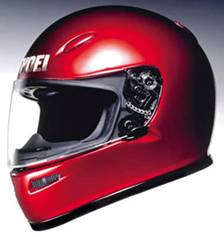
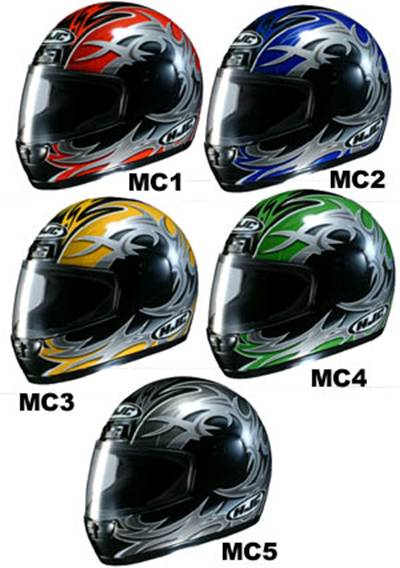
NOT USE IT! Brands These are all excellent brands with high level references for safety as
well as style. Shoei Hjc Types and
preferences. Certainly, you want to look cool when out and about on your scoot but
there are things to consider! Level of protection is the reason for having a helmet in the first place.
For the purposes of this booklet, I will concentrate on the most common helmets
obviously you won't be wearing specialized off-road or motocross helmets so
it comes down to these two types.
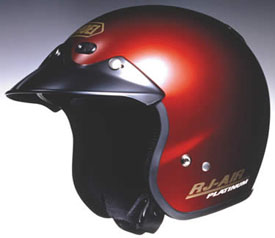
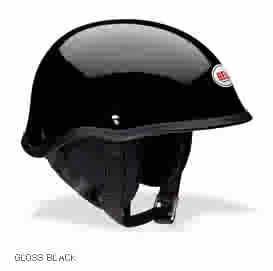
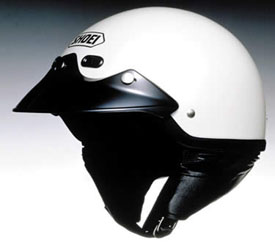
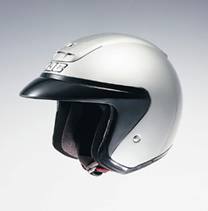
Open Face
Helmets - Chin Grinders I, personally prefer open face helmets with drop down visor and sun
visor. After 55 years of riding I still prefer these and have never had
incidents requiring change of type. Having said that, I rode for nearly a
decade as a mechanised postman on a Honda CT110 postie bike. Excellent
unkillable machines! An important thing to remember about open face helmets is this, that's
exactly what they do to you face if you come off your scooter and smack you
kisser into the road you will not be protected and will suffer severe facial
injuries, even if you are wearing a scarf over your face while riding! The reason many prefer these helmets is they can't handle suffocating in
a full face type, that's me too! I like to be out in the wind and rain with the
pinging stab of rain and the warm embrace of sun on my face! I'd prefer no
helmet at all but it's the law so, bummer for me. All that said, open face helmets will protect your head to a reasonable
degree and that's better than dying on the road because you weren't wearing a
helmet at all right?! Open Face
helmets
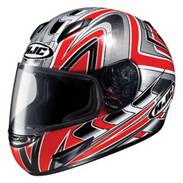
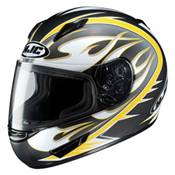
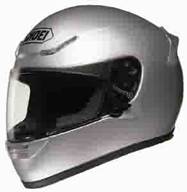
Full Face
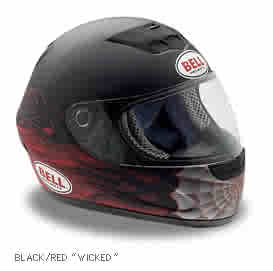
Helmets The proper choice if safety at speed is your thing. I personally do not
like the weight of them pulling on my neck and I can't feel the wind or weather, the main reason we ride in the first place They are fully enclosed with the added benefit of saving your face and
chin in a road kissing crash but in a car v bike, it's really going to hurt as
your head gets snapped back with that extra weight on it. Rain will stay off you but your helmet will fog up in cold weather and
rain and you will probably need to open the visor slightly to clear it. You
can also use spray on or wipe products such as Fog-Off to prevent the
condensation in those cases. These helmets do have vents to help but you usually find they don't help
that much. Here's something that bothered me when I came across it. It's the flip
front helmet and it's cousin, the clip on chin guard helmet. Police often used
the flip front type but they are not safer than open face in my humble opinion!
Avoid! Full Face
Helmets
|